
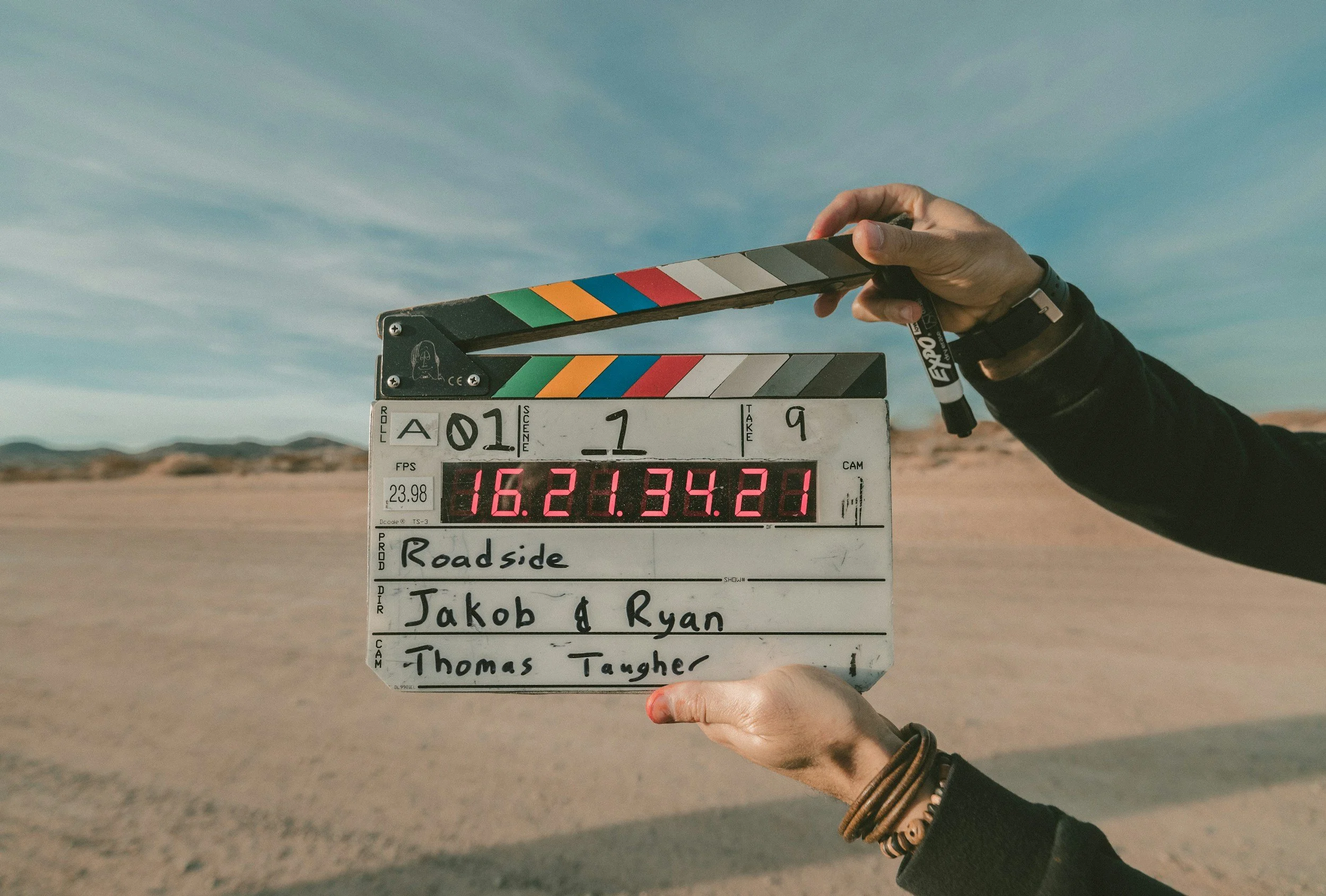
What Questions Should I Ask Before Hiring a Filmmaker?
Video costs more than photography, takes longer, and has more places to go wrong. These are the questions worth asking before you sign anything.
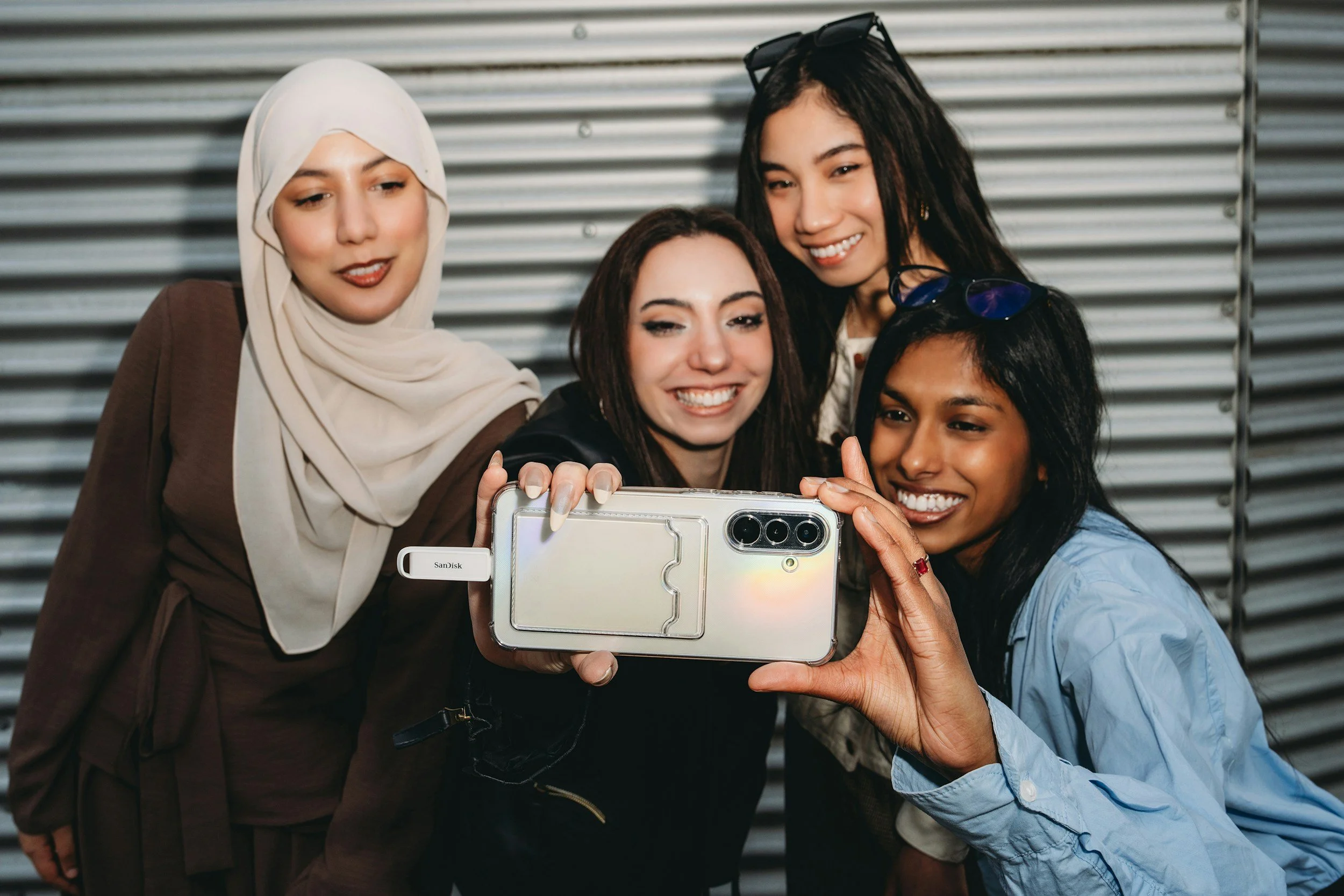
What Questions Should You Ask a Photographer Before Hiring?
A photographer who's any good will be happy to answer all of these. If someone gets cagey, that's an answer too.

Twenty Years of Wayne Sables Project: A Journey Worth Every Step
October 2025 marks two decades of creativity, collaboration, and community. Here's to all of it — the wins, the lessons, and the remarkable people who made it real.
I'll be honest — when I first started Wayne Sables Project, I wasn't thinking about anniversaries. I was thinking about the work. The next brief, the next idea, the next problem worth solving. Twenty years later, that hunger hasn't changed. But something else has: the magnitude of what this project has become, and just how many extraordinary people have had a hand in shaping it.
October 2025. Two decades. I'm not sure whether to laugh, cry, or just sit very quietly with a good cup of tea and let it all sink in.
Let's go with all three.

How to Pick a Good Photographer for Your Event
Most event photography goes wrong before the day. Someone books the cheapest quote, or whoever their mate recommended, and finds out in the gallery that the photographer can't cope with a dark room.
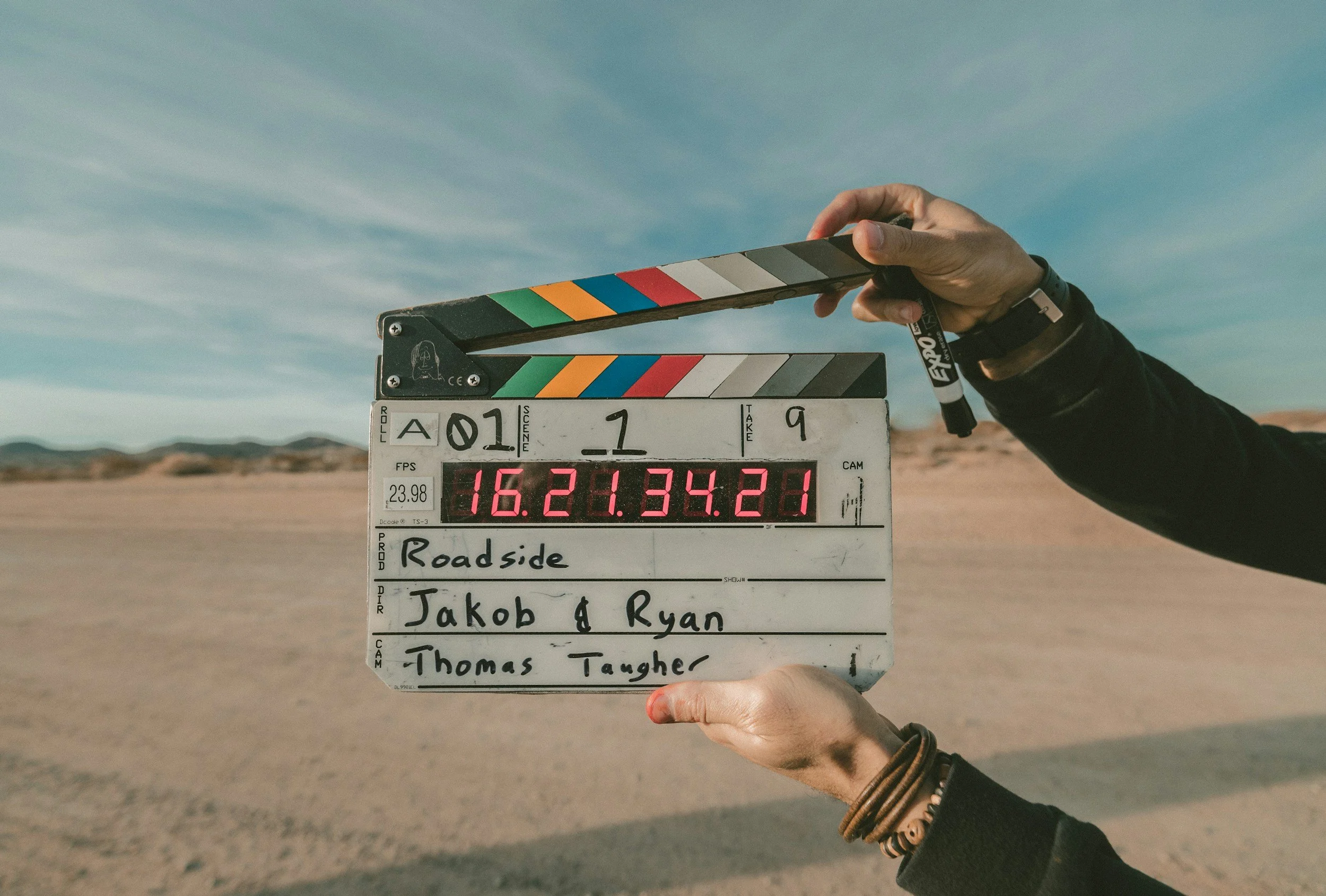
Starting Out as a Filmmaker: What You Actually Need
Everyone starting out in film thinks they need a cinema camera. They need a microphone, a finished short film, and about four other things — almost none of them expensive.

Starting Out as a Photographer: What You Actually Need
New photographers ask me what kit to buy. Wrong question. Here's what you actually need when you're starting out — and most of it isn't in a camera shop.

Nobody Makes Anything Alone: Why Collaboration Matters for Every Creative
Film taught me that nothing gets made alone. Twenty years in, I think that's true of every creative discipline — photographers, painters, writers, all of us.

Sustainability for Small Creative Businesses: What Actually Works
Forget the corporate pledges. Here's what sustainability actually looks like when you're a one-person creative business in South Yorkshire — and why most of it saves money too.

Twenty Years In: How to Keep Your Creativity Alive When Nobody's Asking You To
Nobody warns you that the hard part of a creative career isn't starting. It's staying interested. Here's what's kept me curious for two decades and what I do when it goes quiet.

Filming the St Leger: What I Learnt About Telling a Story You Don't Know Yet
When the St Leger commission came up, I applied for it. Then I got it. And somewhere between those two things it dawned on me that I didn’t know the first thing about horse racing.
I’ve lived in and around Doncaster most of my life. I knew the St Leger was on, the way you know the weather’s on. Oldest Classic in the world, run on the Town Moor since 1776, the town fills up for a week every September. Beyond that, nothing.


South Yorkshire Through a Lens: Twenty Years of Photographing This Place
Documentary photographer Wayne Sables has spent twenty years photographing South Yorkshire — its people, landscapes, and industrial edges. Here’s what that actually looks like.

BAFTA Connect: What It Actually Does For an Independent Filmmaker
Nearly 20 years in, and I’m still figuring out how this industry works. That’s not a complaint. It’s just the reality of being independent — there’s no HR department, no clear career ladder, no one tapping you on the shoulder telling you what comes next. You work it out as you go.

Running on Sunshine: How I Charge My Filmmaking and Photography Kit with Solar
Here’s a question I get asked a lot when people see my setup: is that a solar panel on your roof? Yes. Yes it is. And no, I’m not about to launch into a lecture about saving the planet — though that’s a solid bonus. This is about something much more practical: keeping batteries charged, kit running, and not getting caught short on a location in the middle of South Yorkshire with a flat drone battery and two hours of shoot left.
Let me break down how I’ve got things set up — both in the office here in Doncaster and out on the road with my mobile Jackery rig.

Documentary Photography: Why Your Business Needs It
I shoot with professional cameras. I think in frames. But there’s a difference between the photography I do for a brief and the photography I do because something needs witnessing.
Documentary photography is the difference between capturing what someone asked you to capture and capturing what’s actually happening.

Filmmaker or Videographer? Why the Labels Matter Less Than the Work
I work across feature documentaries, narrative features, short films, and videography. Some days I’m developing a six-month commission around a community story. Other days I’m shooting corporate content or an event. The camera changes. The crew size shifts. The budget breathes differently. But the question that keeps coming up—usually from potential clients or people curious about what I actually do—is this: am I a filmmaker or a videographer?

100 Faces: A Search for the People Worth Photographing
100 Faces: A Search for the People Worth Photographing
I've been carrying an idea around for a long time, and it's finally stepping out into the light. It's called 100 Faces — a portrait project, and eventually a book, built around a single question: who are the people worth photographing?
Not famous. Not polished. Not chosen for how they'd look on a billboard. Just interesting — in the real sense of the word.

What Does It Actually Mean to Be a Documentary Filmmaker?
People ask me this more than you'd think. Usually at events, usually after I've explained what I do for the third time in a row. "So you make documentaries? Like the ones on Netflix?"
Sort of. Not exactly. Let me explain.

Why I Specialise in Documentary and Commercial Photography
It's a fair question. Weddings dominate the photography market in South Yorkshire, and I'd be lying if I said the money wasn't tempting. But the honest answer is that I've never been drawn to it — not because there's anything wrong with wedding photography, but because it's simply not where my instincts live. My instincts live in documentary. In real moments. In the kind of image that doesn't ask permission.