
Documentary Photography: Why Your Business Needs It
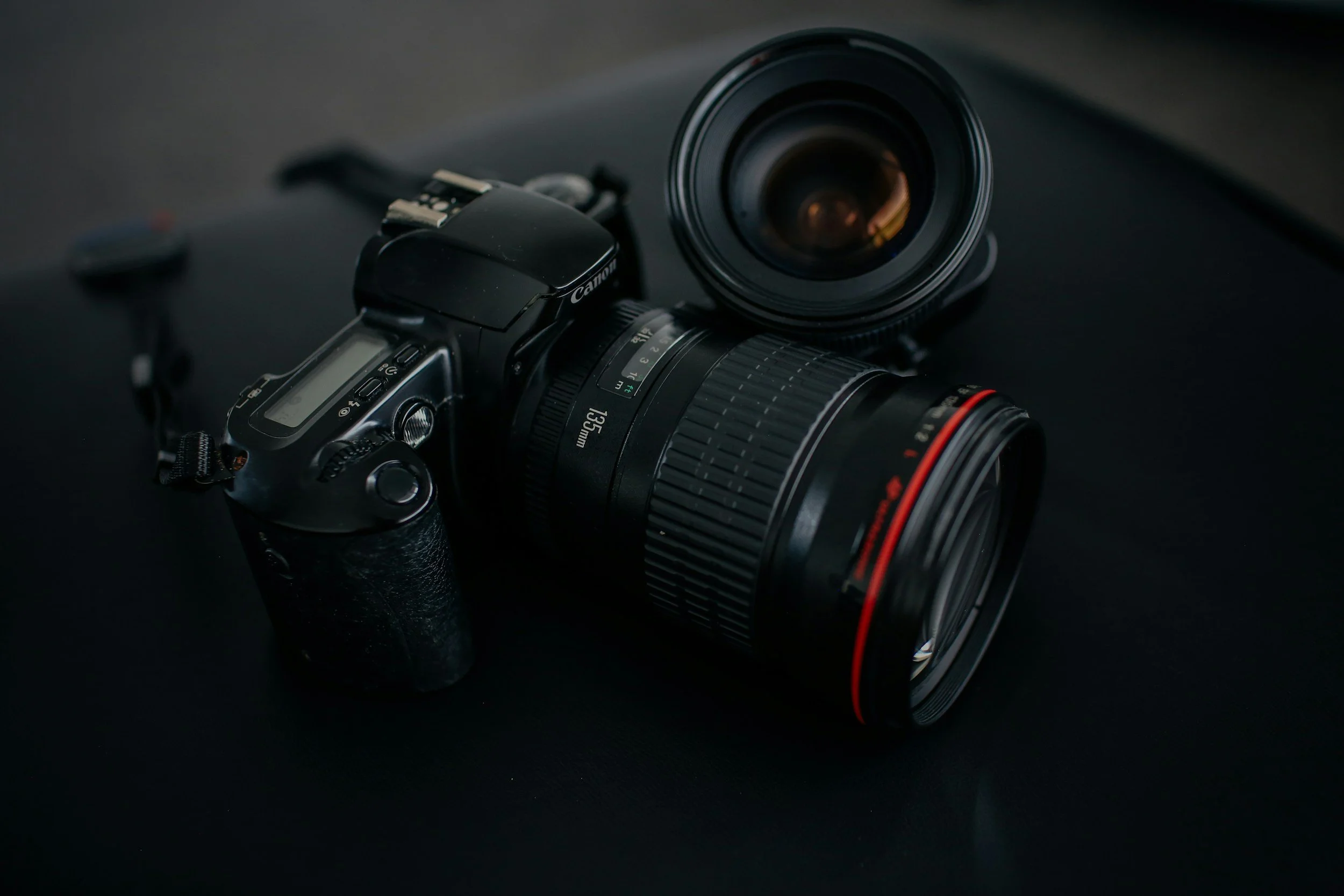
I shoot with professional cameras. I think in frames. But there’s a difference between the photography I do for a brief and the photography I do because something needs witnessing.
Documentary photography is the difference between capturing what someone asked you to capture and capturing what’s actually happening.
What Does It Actually Mean to Be a Documentary Filmmaker?
People ask me this more than you'd think. Usually at events, usually after I've explained what I do for the third time in a row. "So you make documentaries? Like the ones on Netflix?"
Sort of. Not exactly. Let me explain.
Why I Specialise in Documentary and Commercial Photography
It's a fair question. Weddings dominate the photography market in South Yorkshire, and I'd be lying if I said the money wasn't tempting. But the honest answer is that I've never been drawn to it — not because there's anything wrong with wedding photography, but because it's simply not where my instincts live. My instincts live in documentary. In real moments. In the kind of image that doesn't ask permission.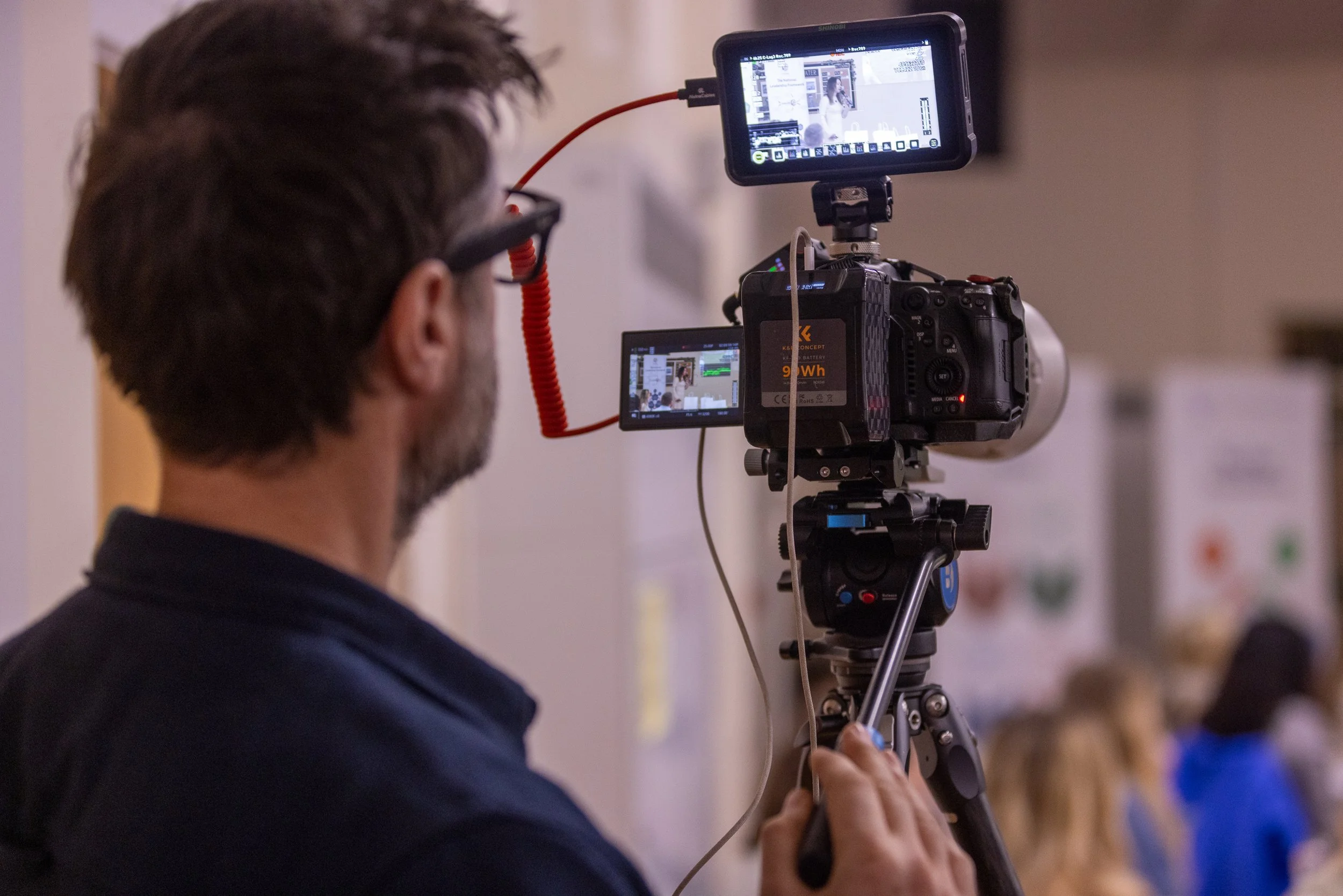
Whose Story Is It Anyway? On Preserving the Voice of Your Documentary Subjects
Whose Story Is It Anyway? On Preserving the Voice of Your Documentary Subjects
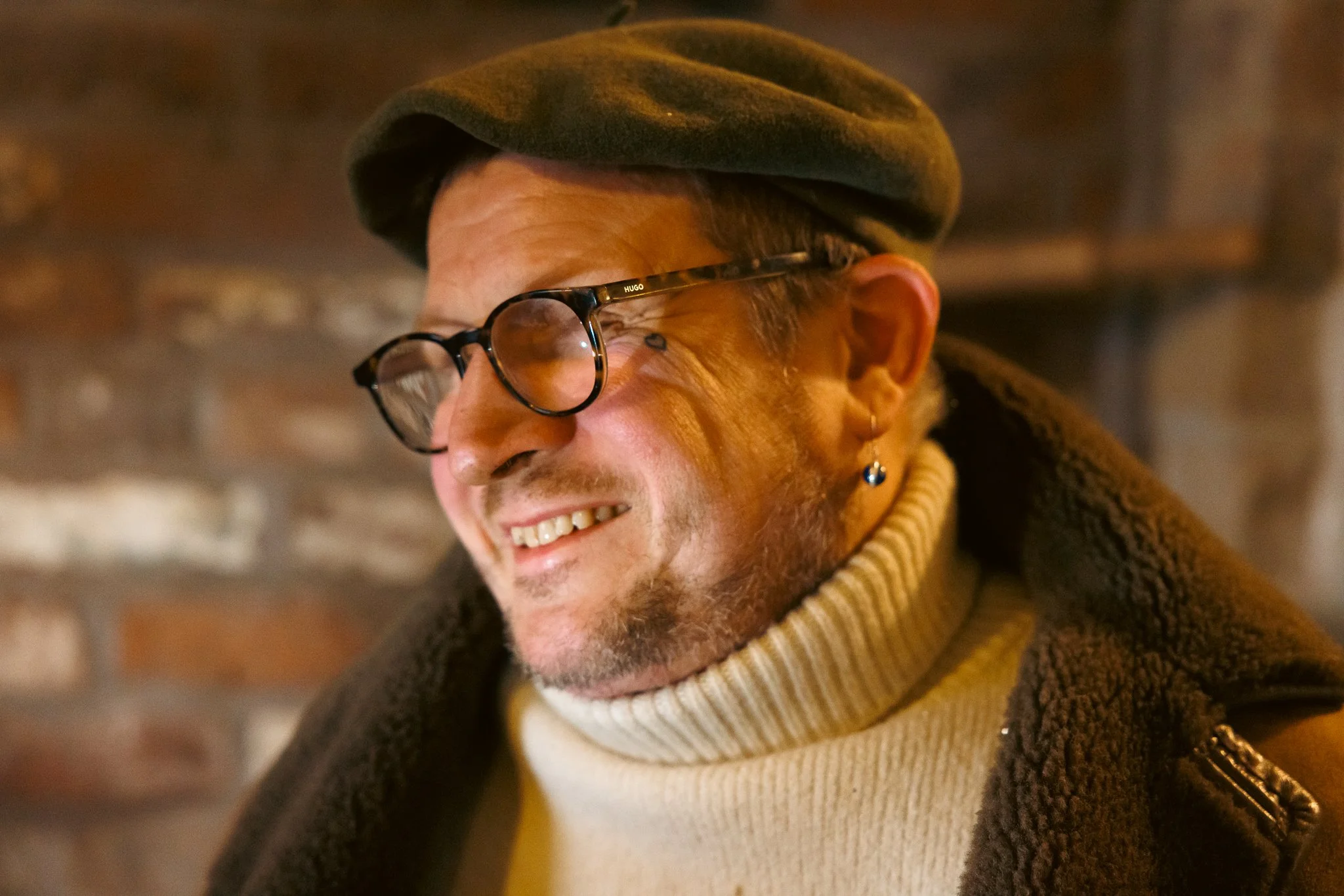
I’ve been making documentary films for nearly two decades. In that time I’ve sat across from miners who wept recalling 1984, drag artists who talked about identity with more clarity than most politicians manage in a career, and a duathlete from South Yorkshire who turned grief into endurance. Every single one of them had a story worth telling. My job — and this is something I genuinely believe — was never to tell it for them.
Embracing AI in Creative Work: How Technology is Transforming Filmmaking and Photography
In the rapidly evolving worlds of filmmaking and photography, the introduction of artificial intelligence (AI) has sparked both excitement and uncertainty. As a creative who values storytelling and authenticity, I’ve always believed in the power of personal vision. However, recently, I’ve found myself embracing a digital assistant into my creative process—one that never sleeps, never tires, and is constantly learning: AI.
The Best Alternatives to DJI Drones for Filmmakers and Photographers
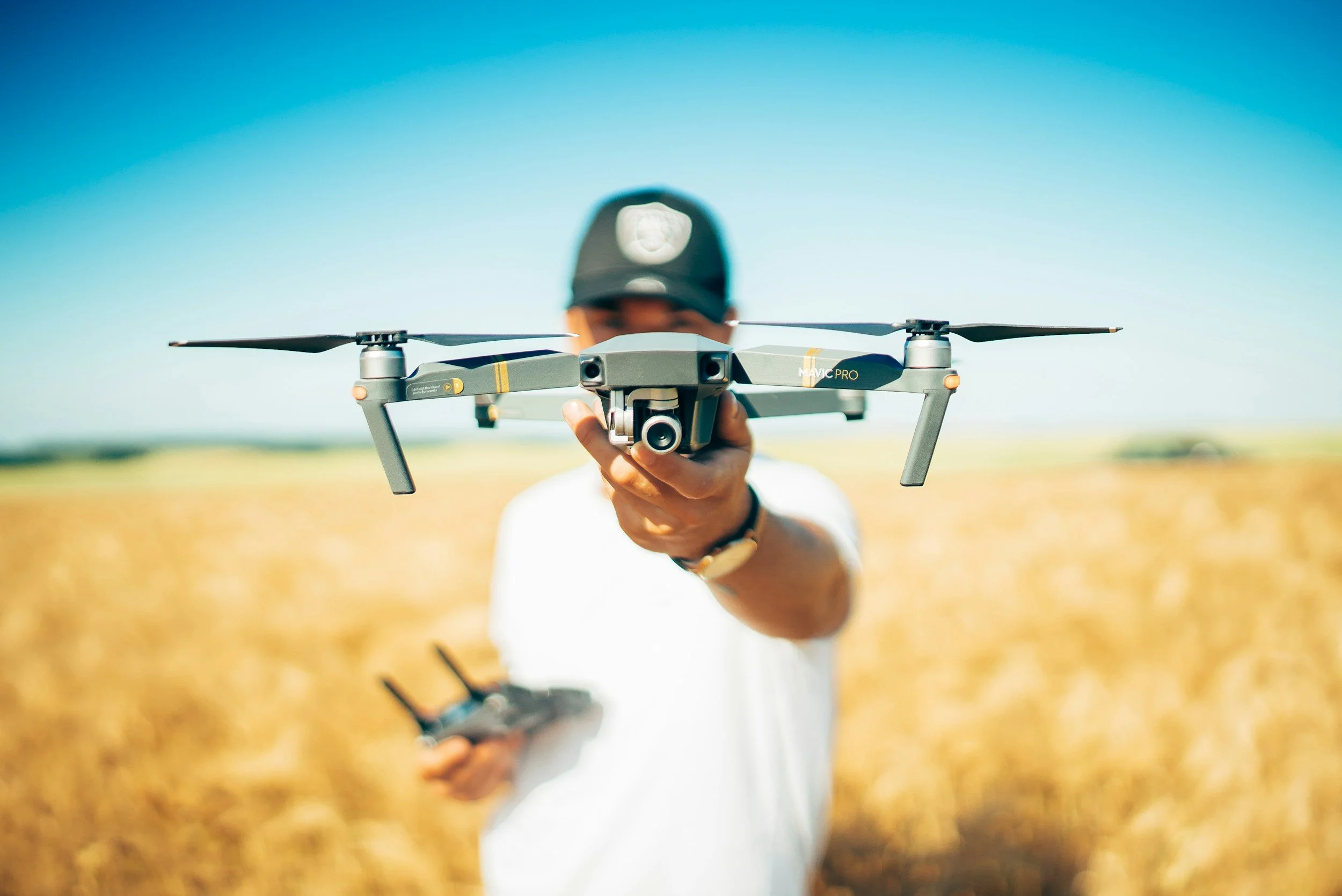
DJI has dominated the consumer and professional drone market for years — and for good reason. Their cameras are sharp, their flight systems are reliable, and their ecosystem is mature. But they’re not the only option. Whether you’re put off by price, concerned about data security, frustrated by geo-fencing restrictions, or simply want to explore what else is out there, there are some genuinely compelling alternatives worth knowing about.
Here’s a look at the best alternatives to DJI drones in 2026, broken down by what kind of filmmaker or photographer you are.
Why Spaces Need Stories
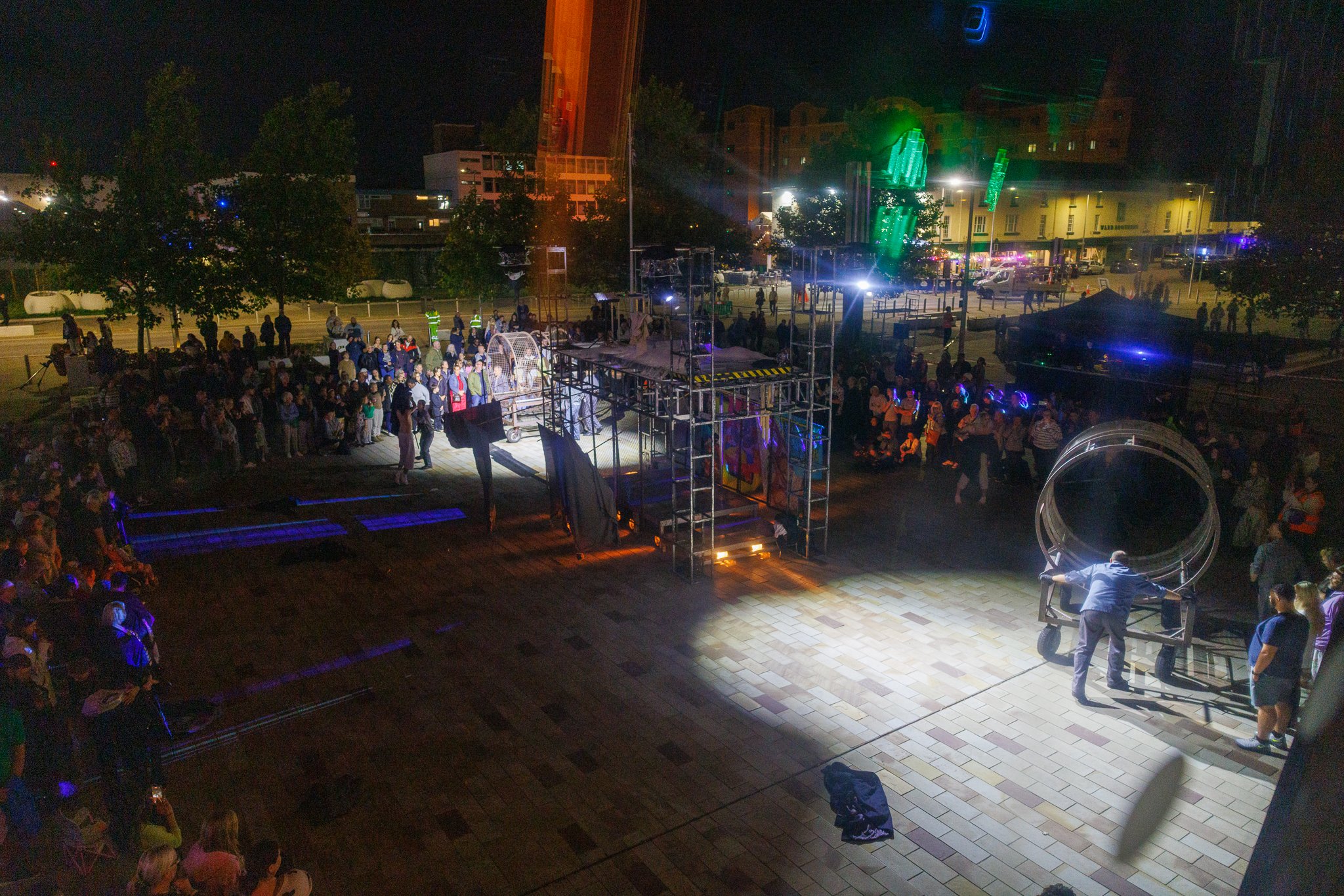
Every building, stage, or public space has a story, but most of the time it fades into the background. Projection mapping changes that. Instead of adding a screen or a banner, you use light, movement, and sound to turn the space itself into the canvas, whether that’s a theatre façade, a gallery wall, or a city landmark.
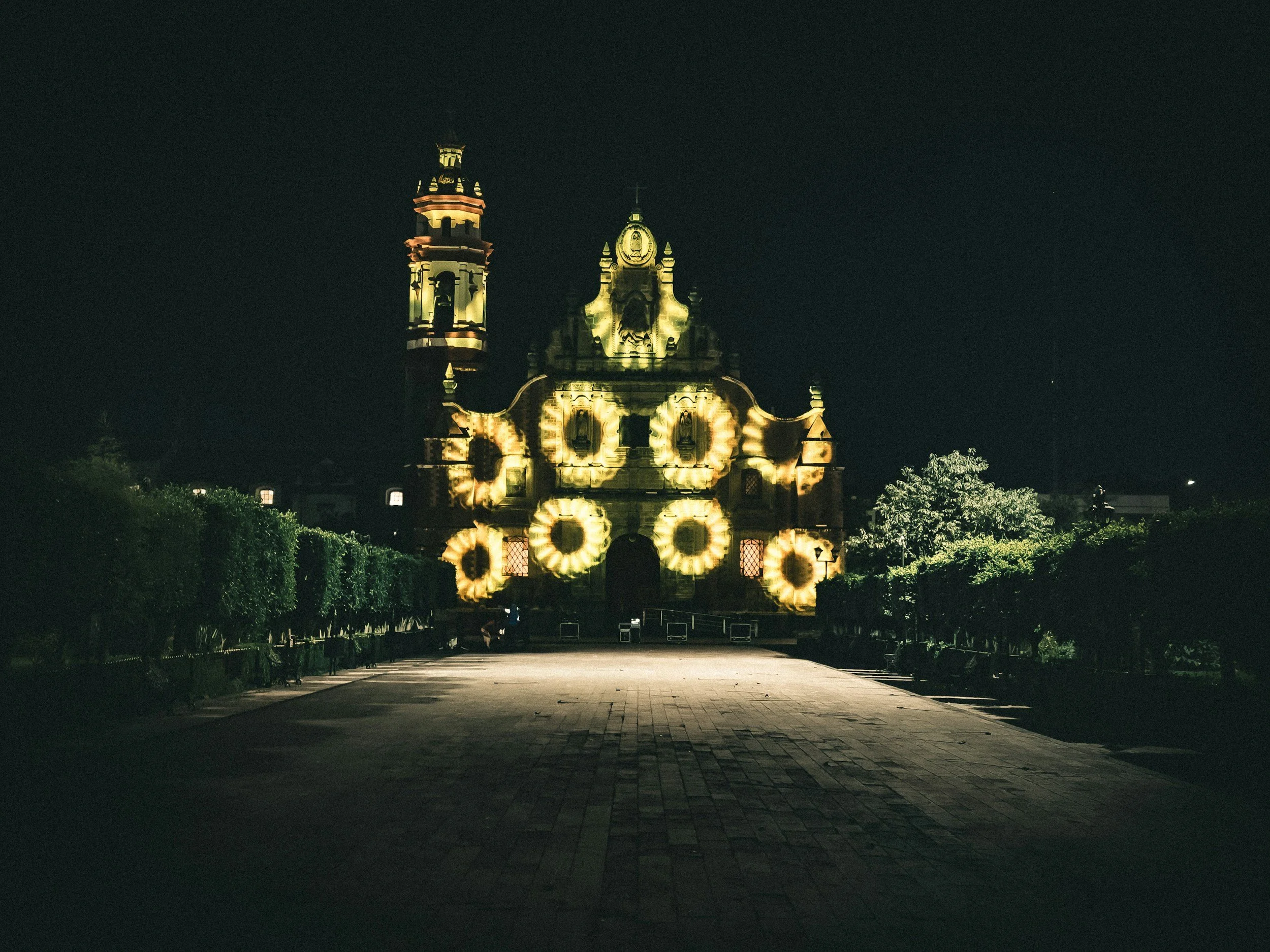
Getting Started with Projection Mapping Using MadMapper 6.0: A Filmmaker’s Guide
Getting into projection mapping with MadMapper 6.0 is easiest if you treat it like a film shoot: prep your kit, plan the surface, then work through a repeatable software workflow. This step‑by‑step guide walks through everything from gear and setup to building your first show in MadMapper 6.0.
Embracing AI in Creative Work: How Technology is Transforming Filmmaking and Photography
In the rapidly evolving worlds of filmmaking and photography, the introduction of artificial intelligence (AI) has sparked both excitement and uncertainty. As a creative who values storytelling and authenticity, I’ve always believed in the power of personal vision. However, recently, I’ve found myself embracing a digital assistant into my creative process—one that never sleeps, never tires, and is constantly learning: AI.

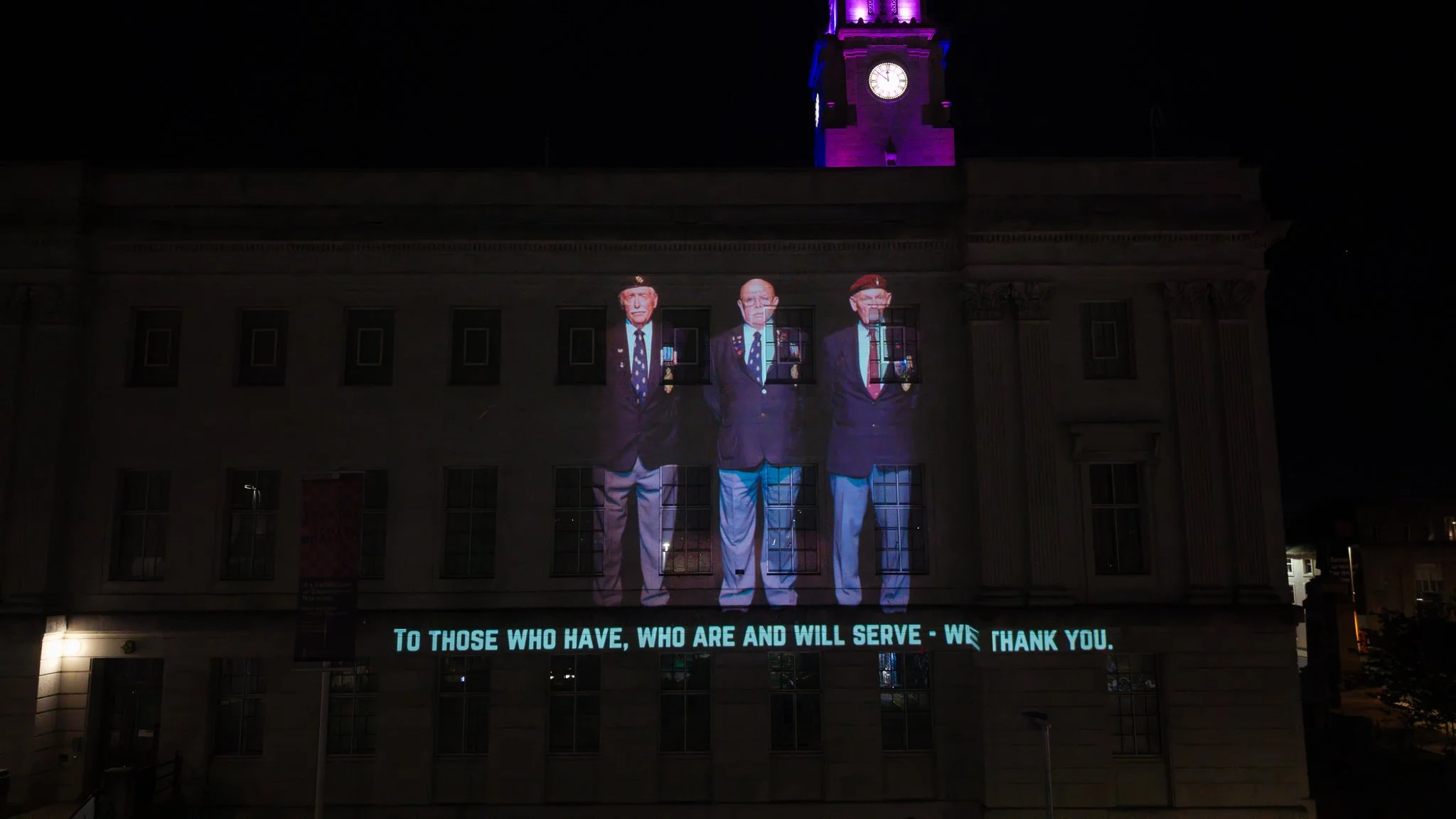
The Art of Projection Mapping: Real Stories from Venues and Installations
The Art of Projection Mapping: Real Stories from Venues and Installations
Projection mapping isn’t just a technical trick—it’s one of my favourite creative tools to transform spaces radically, injecting new life and purpose into buildings, structures, and landscapes that people walk past every day, often without a second glance. But let’s be honest: behind every dazzling display, there’s a whole lot of problem-solving, improvisation, and a few wild stories that never make it onto social media.

Projection Mapping
Projection mapping, also known as video mapping or spatial augmented reality, is a transformative technology that projects digital content onto physical surfaces, creating stunning visual displays. This technique has gained immense popularity in entertainment, advertising, and art, allowing creators to turn ordinary objects into captivating experiences. Here’s a comprehensive guide on how to get started with projection mapping.

The Art of Projection Mapping: A Beginner’s Guide.
Projection mapping has revolutionised the world of visual arts, transforming ordinary objects into captivating, immersive experiences. Whether you want to create jaw-dropping displays for events, enhance architectural structures, or simply express your creativity, projection mapping is a fantastic medium to explore. In this blog post, we’ll dive into the essentials of projection mapping, from the equipment you’ll need to the software programs and third-party apps that can take your creations to the next level.