Documentary Photography: Why Your Business Needs It
Documentary Photography: Why Your Business Needs It.
I shoot with professional cameras. I think in frames. But there’s a difference between the photography I do for a brief and the photography I do because something needs witnessing.
Documentary photography is the difference between capturing what someone asked you to capture and capturing what’s actually happening.
Most businesses think they understand photography. They want nice images for their website. They want to look professional. They commission a photoshoot, brief a photographer, get back a set of polished images that fit the aesthetic they’ve designed. That’s not wrong. That serves a purpose. But it’s not documentary photography.
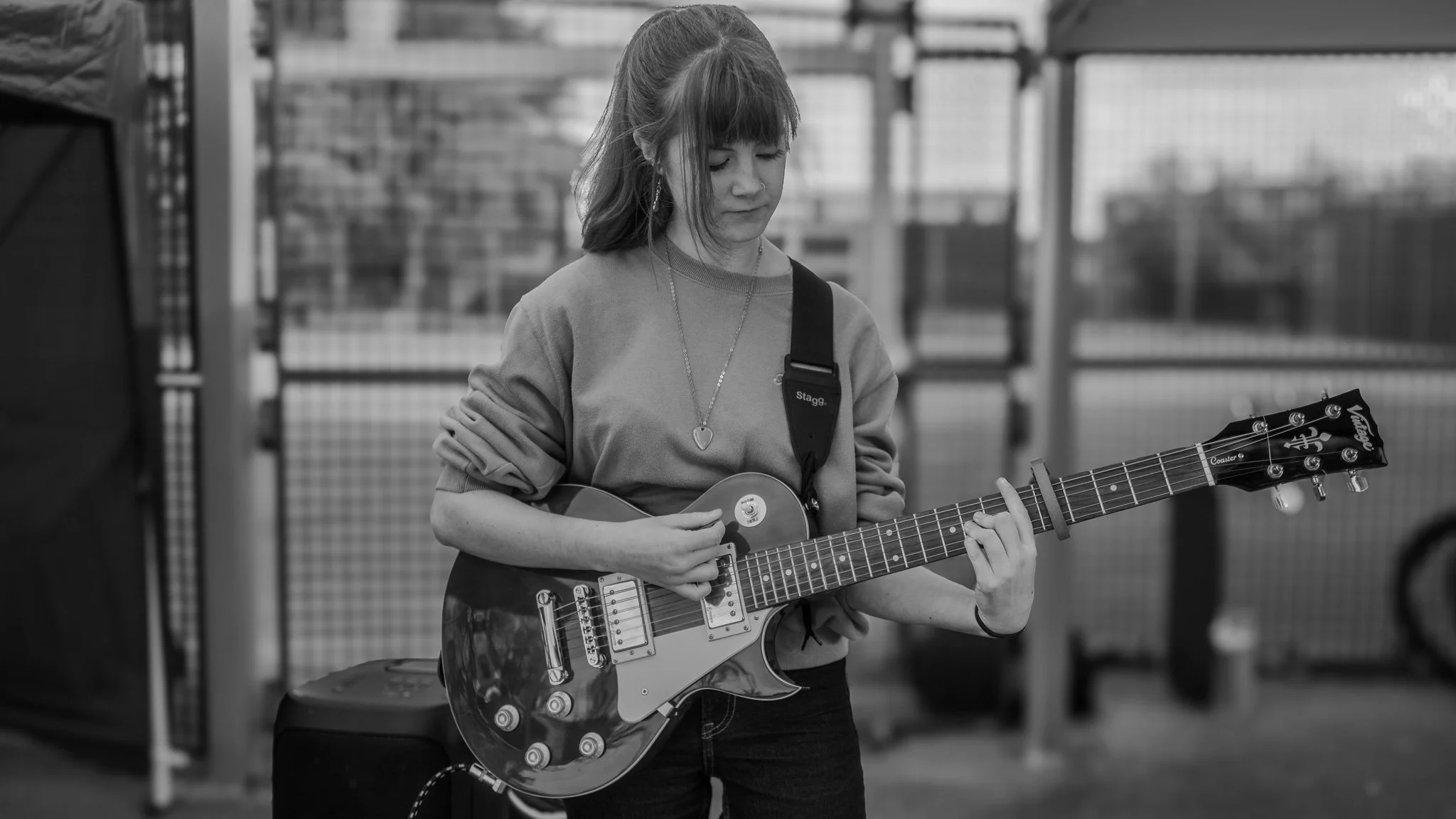
Documentary photography is what happens when you let a photographer actually see your business. Not pose it. Not art-direct it. See it.
I do this work constantly across my commissions. Historic England wanted images from a site visit—not staged shots of heritage officers pointing at buildings. Arts Council England needed to understand how a project actually functioned in a community space—not a carefully composed representation of it. Those images became the most powerful assets in their reports, not because they were pretty, but because they were true.
Here’s what documentary photography does for a business: it builds credibility through authenticity.
When you’re trying to communicate who you are—whether that’s a council, a heritage organisation, a social enterprise, or a cultural space—people can smell the staging. They know when something’s been art-directed. They see through it. But when someone walks into a space with a camera and just observes, captures the real moments, the conversations, the actual work happening—that’s when trust builds. That’s when an image becomes evidence of something real.
I’ve watched clients realise mid-project that the documentary images are doing more work than the styled ones. A candid shot of a team member helping a participant understand something. A moment of genuine concentration. A space being used exactly as it was designed to be used. Those images tell a story that can’t be faked because they’re not trying to.
The other thing documentary photography does—and this matters especially for organisations—is it gives you material you can’t predict. You commission a photoshoot with a specific brief, and you get exactly what you asked for. Safe. Usable. Forgettable. But documentary photography produces images you didn’t know you needed. Details. Moments of connection. The texture of how a space actually functions. Those become the images that shift how people understand what you do.
I shoot documentary stills alongside my film work constantly. When I’m on set filming When You Tri, I’m also capturing still images—not for the film, but because those moments have their own power as photographs. A single frame can say what takes a film a sequence to articulate. And those images become the promotional material that actually works, because they’re not selling something—they’re revealing something.
For your business, documentary photography means: commission someone to spend time with you, observe how you actually work, and bring back images that tell the truth of what you do. Not what you want people to think you do. What you actually do.
It’s more vulnerable than a styled photoshoot. You don’t have complete control over what gets documented. But that’s exactly why it works. That’s why it matters.