
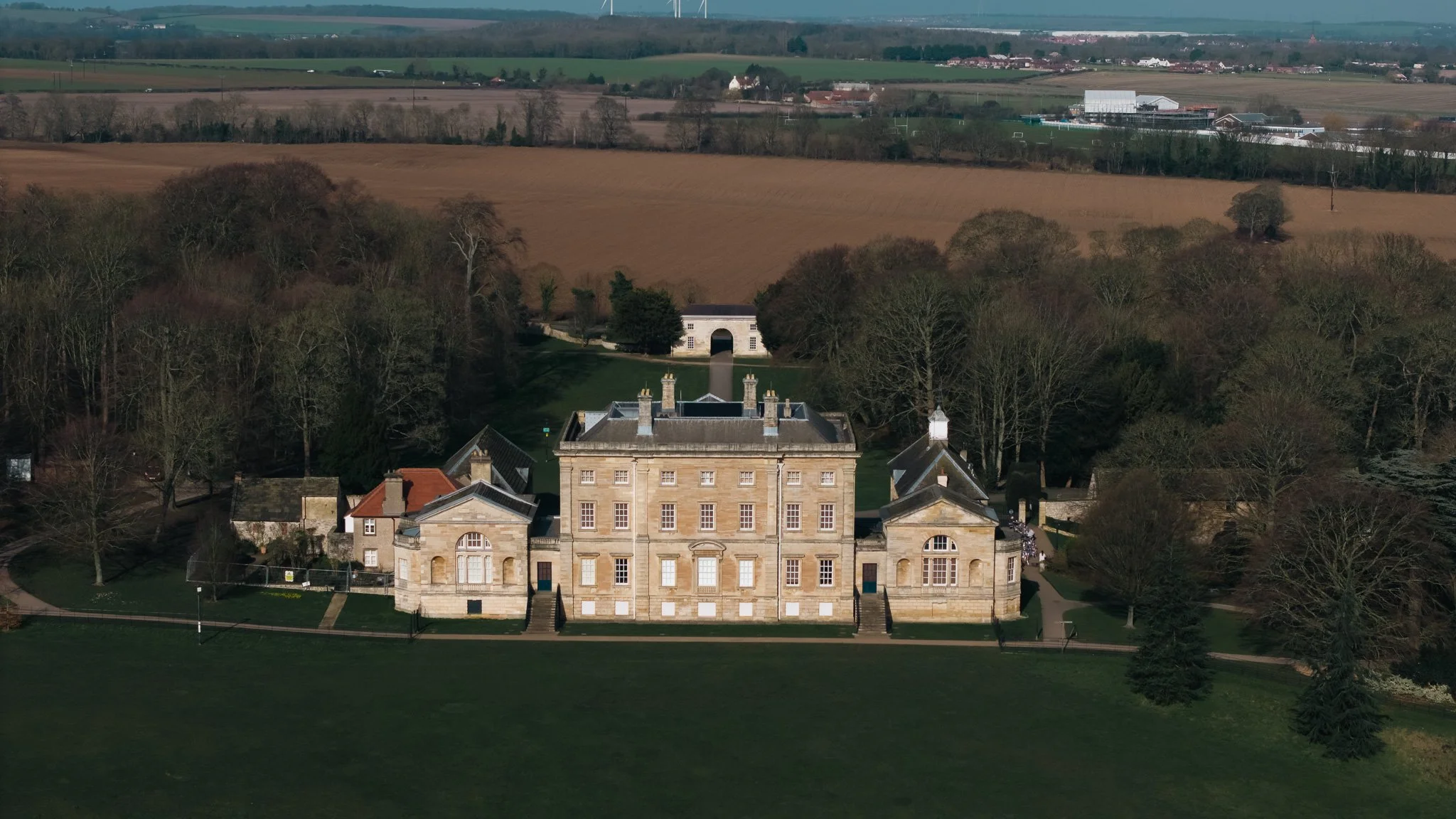
South Yorkshire Through a Lens: Twenty Years of Photographing This Place
Documentary photographer Wayne Sables has spent twenty years photographing South Yorkshire — its people, landscapes, and industrial edges. Here’s what that actually looks like.
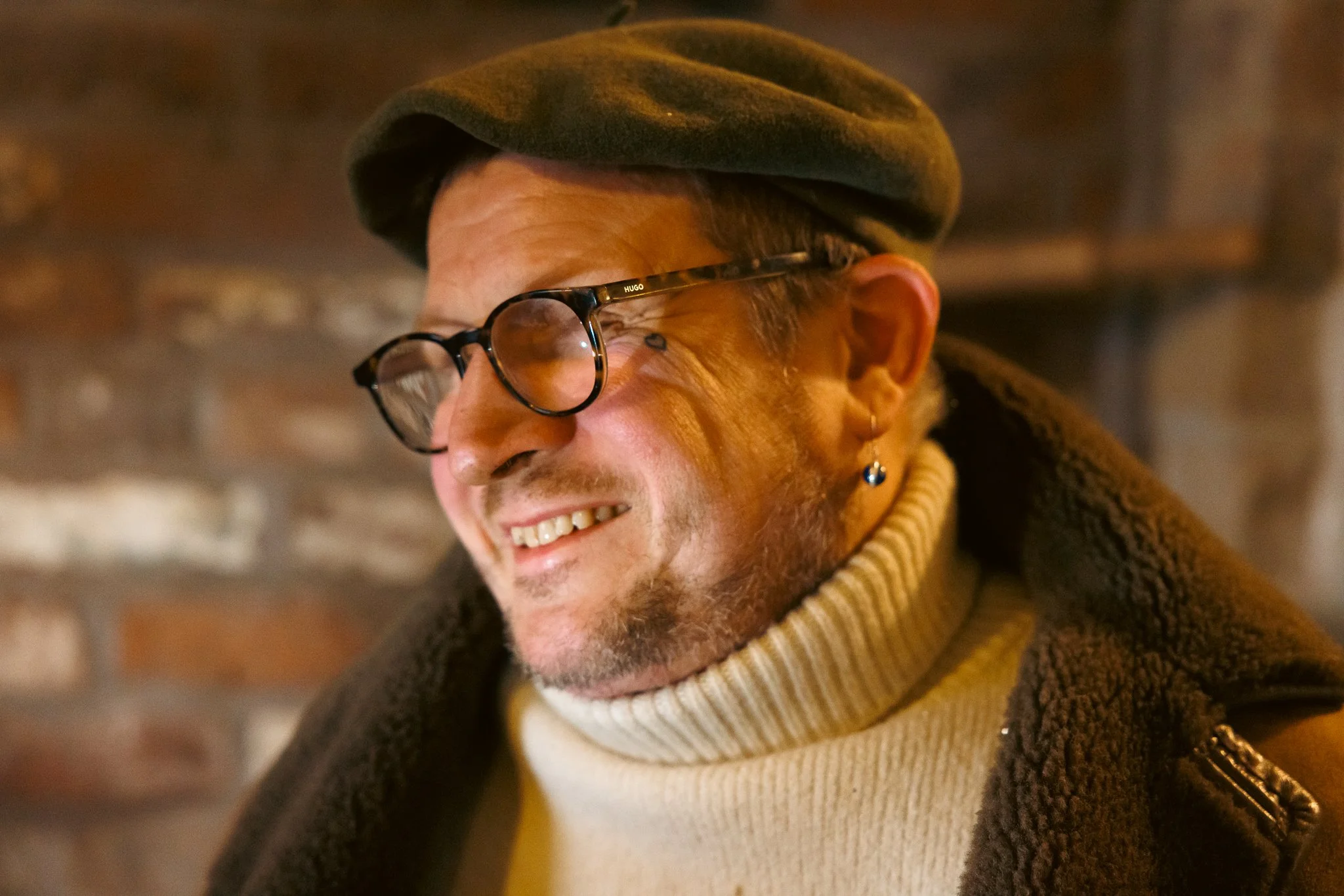
Documentary Photography: Why Your Business Needs It
I shoot with professional cameras. I think in frames. But there’s a difference between the photography I do for a brief and the photography I do because something needs witnessing.
Documentary photography is the difference between capturing what someone asked you to capture and capturing what’s actually happening.
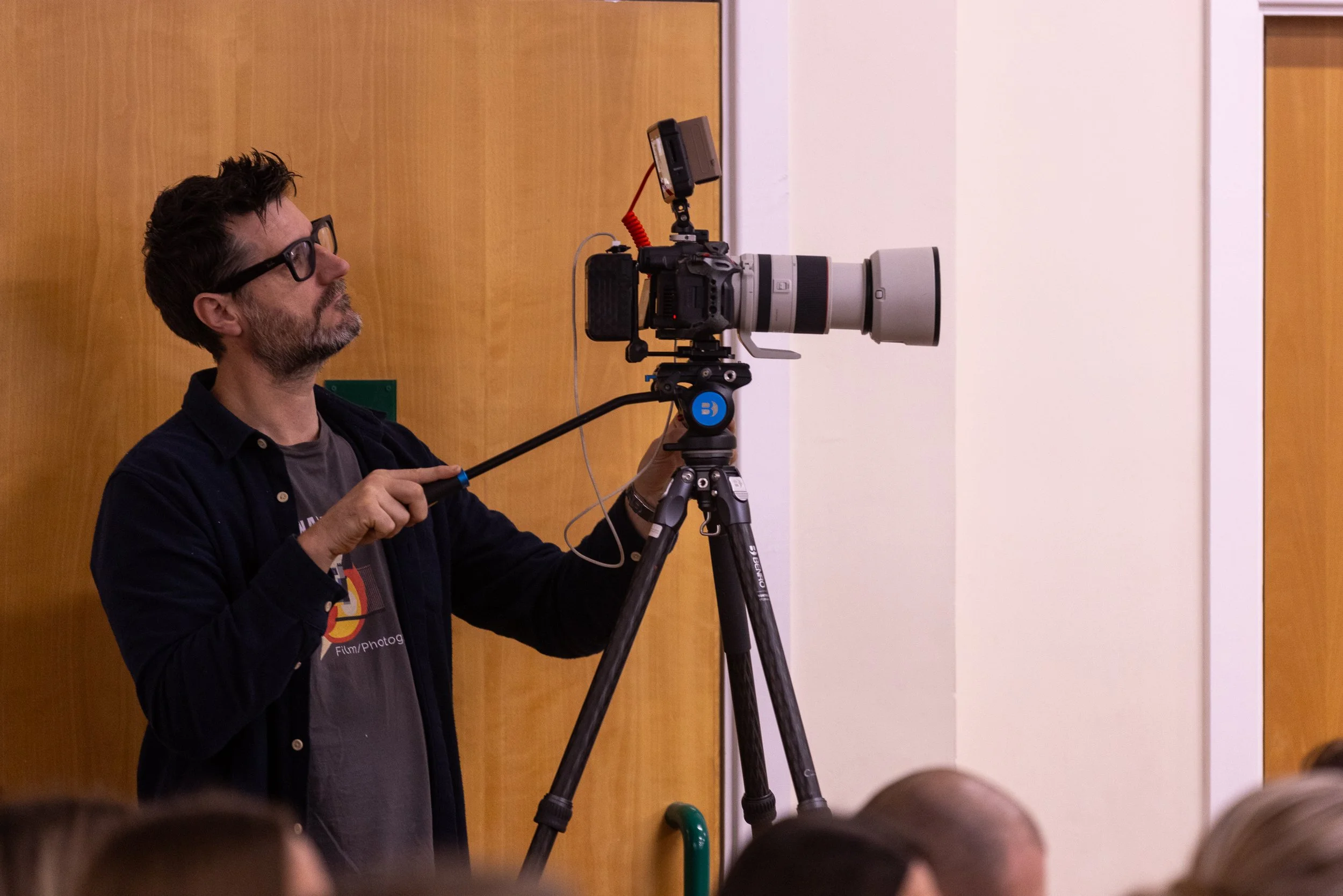
Filmmaker or Videographer? Why the Labels Matter Less Than the Work
I work across feature documentaries, narrative features, short films, and videography. Some days I’m developing a six-month commission around a community story. Other days I’m shooting corporate content or an event. The camera changes. The crew size shifts. The budget breathes differently. But the question that keeps coming up—usually from potential clients or people curious about what I actually do—is this: am I a filmmaker or a videographer?
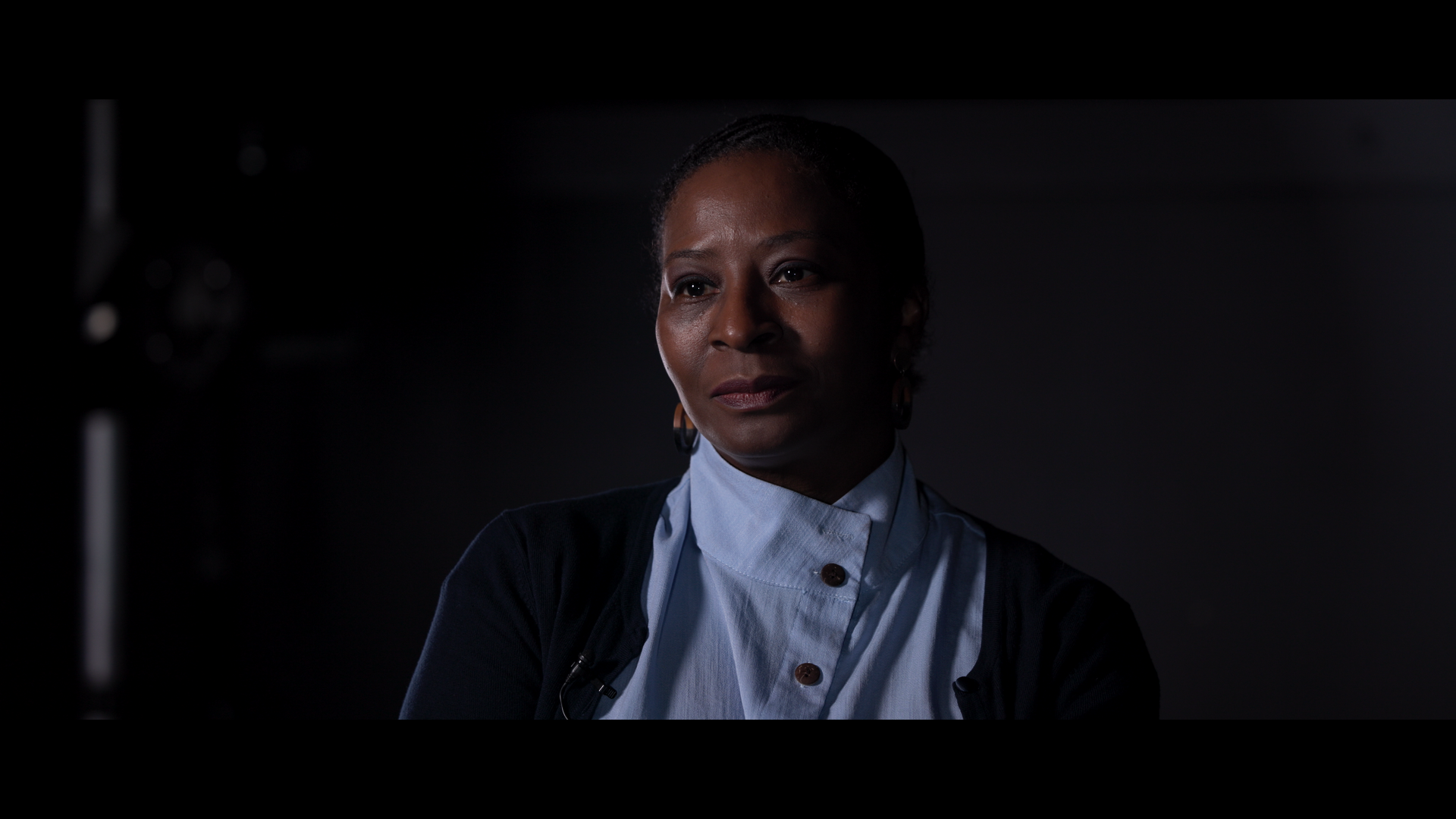
100 Faces: A Search for the People Worth Photographing
100 Faces: A Search for the People Worth Photographing
I've been carrying an idea around for a long time, and it's finally stepping out into the light. It's called 100 Faces — a portrait project, and eventually a book, built around a single question: who are the people worth photographing?
Not famous. Not polished. Not chosen for how they'd look on a billboard. Just interesting — in the real sense of the word.
What Does It Actually Mean to Be a Documentary Filmmaker?
People ask me this more than you'd think. Usually at events, usually after I've explained what I do for the third time in a row. "So you make documentaries? Like the ones on Netflix?"
Sort of. Not exactly. Let me explain.
Why I Specialise in Documentary and Commercial Photography
It's a fair question. Weddings dominate the photography market in South Yorkshire, and I'd be lying if I said the money wasn't tempting. But the honest answer is that I've never been drawn to it — not because there's anything wrong with wedding photography, but because it's simply not where my instincts live. My instincts live in documentary. In real moments. In the kind of image that doesn't ask permission.
Whose Story Is It Anyway? On Preserving the Voice of Your Documentary Subjects
Whose Story Is It Anyway? On Preserving the Voice of Your Documentary Subjects
I’ve been making documentary films for nearly two decades. In that time I’ve sat across from miners who wept recalling 1984, drag artists who talked about identity with more clarity than most politicians manage in a career, and a duathlete from South Yorkshire who turned grief into endurance. Every single one of them had a story worth telling. My job — and this is something I genuinely believe — was never to tell it for them.

Embracing AI in Creative Work: How Technology is Transforming Filmmaking and Photography
In the rapidly evolving worlds of filmmaking and photography, the introduction of artificial intelligence (AI) has sparked both excitement and uncertainty. As a creative who values storytelling and authenticity, I’ve always believed in the power of personal vision. However, recently, I’ve found myself embracing a digital assistant into my creative process—one that never sleeps, never tires, and is constantly learning: AI.
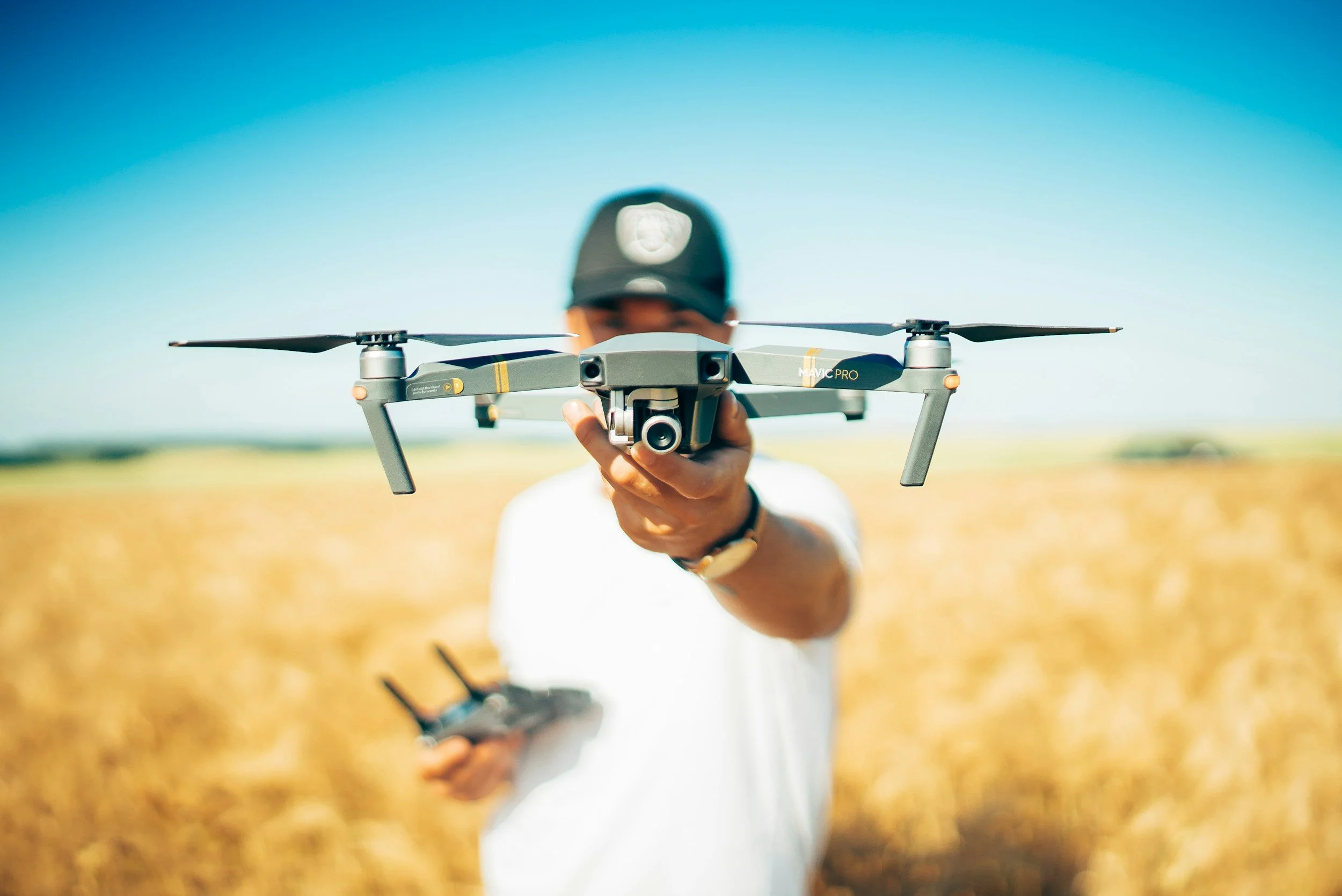
The Best Alternatives to DJI Drones for Filmmakers and Photographers
DJI has dominated the consumer and professional drone market for years — and for good reason. Their cameras are sharp, their flight systems are reliable, and their ecosystem is mature. But they’re not the only option. Whether you’re put off by price, concerned about data security, frustrated by geo-fencing restrictions, or simply want to explore what else is out there, there are some genuinely compelling alternatives worth knowing about.
Here’s a look at the best alternatives to DJI drones in 2026, broken down by what kind of filmmaker or photographer you are.
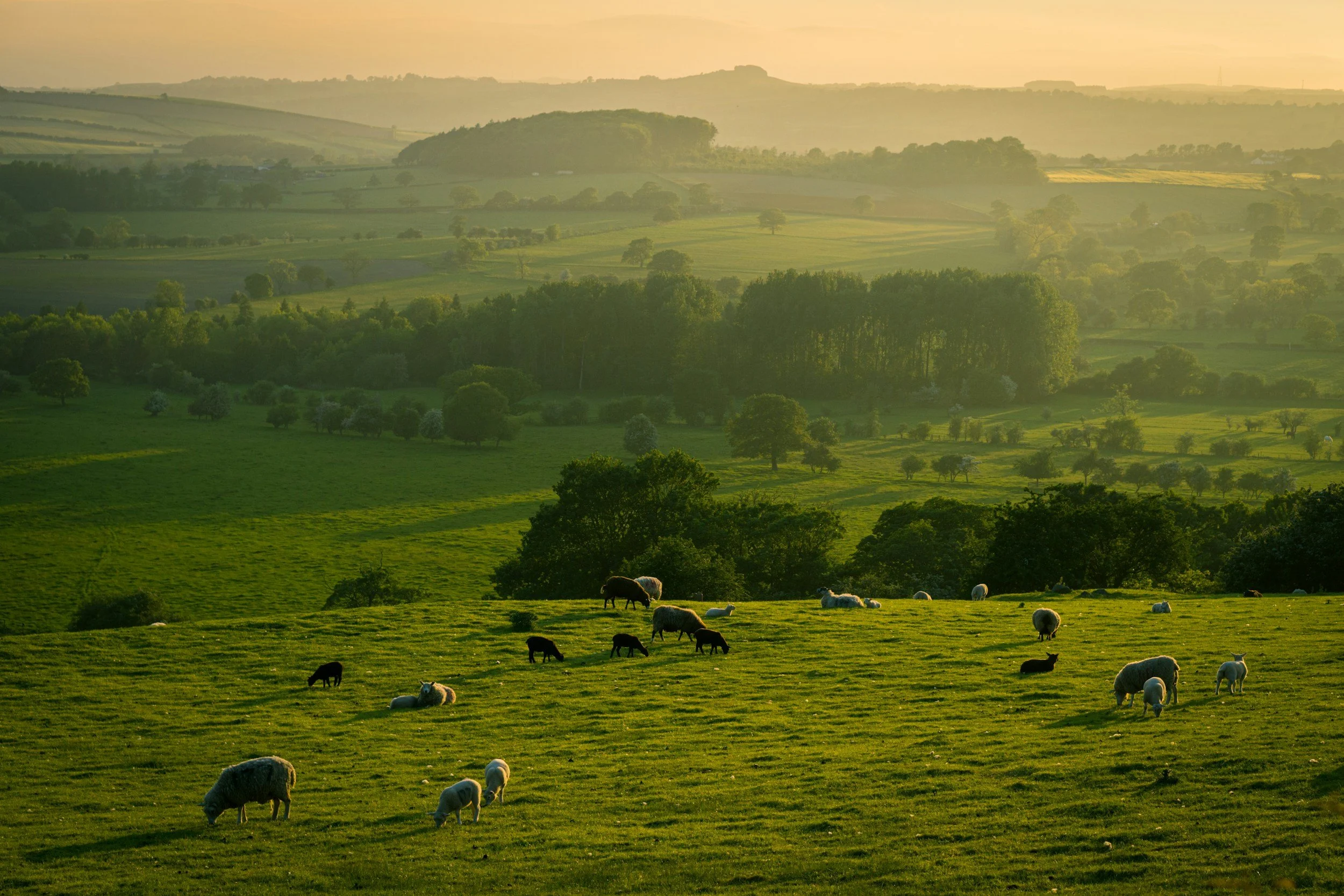
Building a Creative Business in Yorkshire: Why You Don't Need to Move to London
When I tell people I run a filmmaking and photography business from Doncaster, I usually get one of two reactions: confused silence or "But wouldn't you do better in London?"
The assumption is that if you're serious about creative work, you need to be in the capital. Better clients. Bigger budgets. More opportunities. And sure, there's some truth to that. But after building Wayne Sables Project here in Yorkshire for the past several years, I've learned something important: you don't need to be in London to run a successful creative business. You just need to work differently.
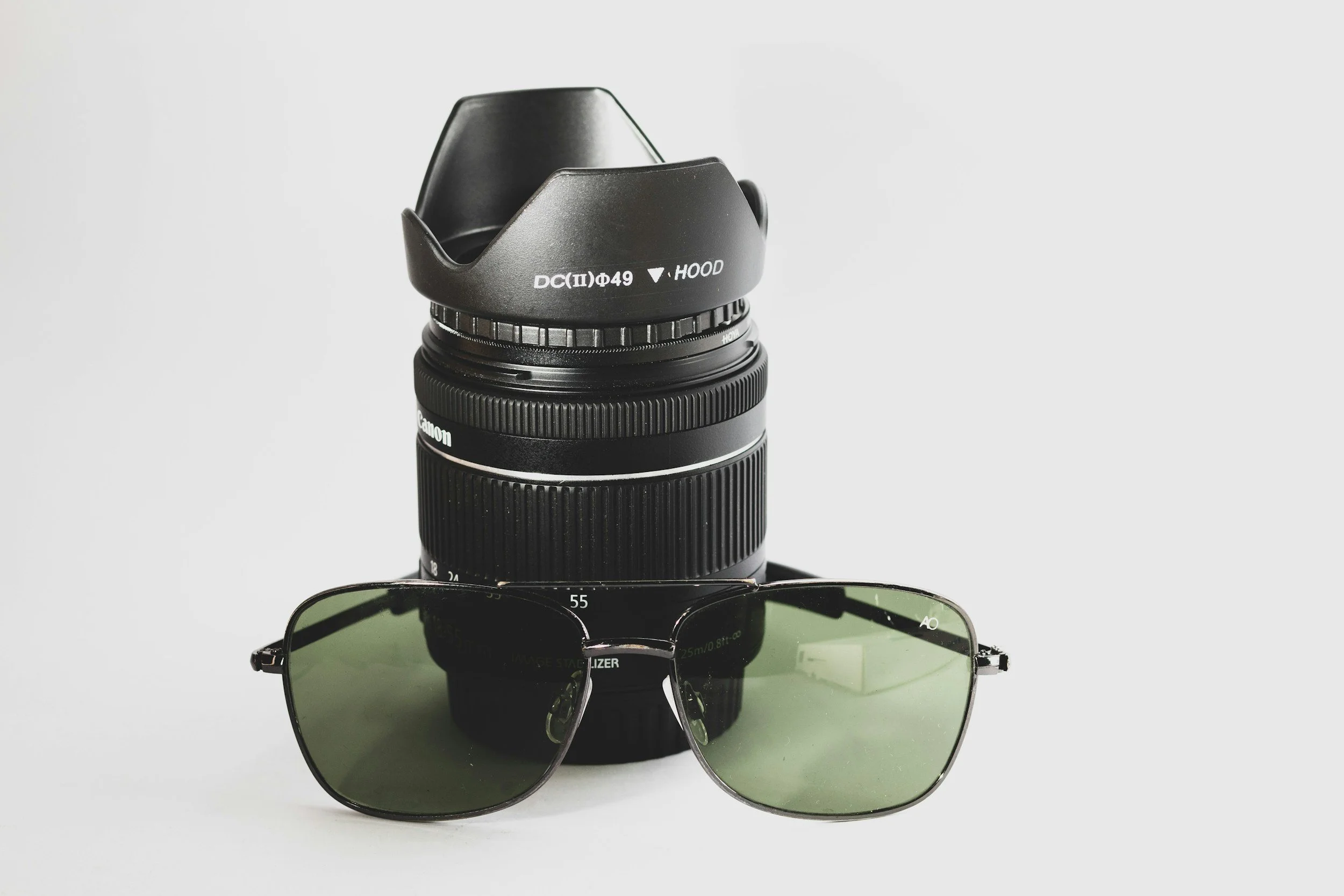
Your Visual Voice
There is a moment every serious photographer and filmmaker eventually faces — standing in front of thousands of images, thousands of frames, wondering: do any of these feel like me? Not technically correct. Not fashionably composed. Not algorithmically rewarded. But genuinely, undeniably, mine.
That question is the beginning of everything.
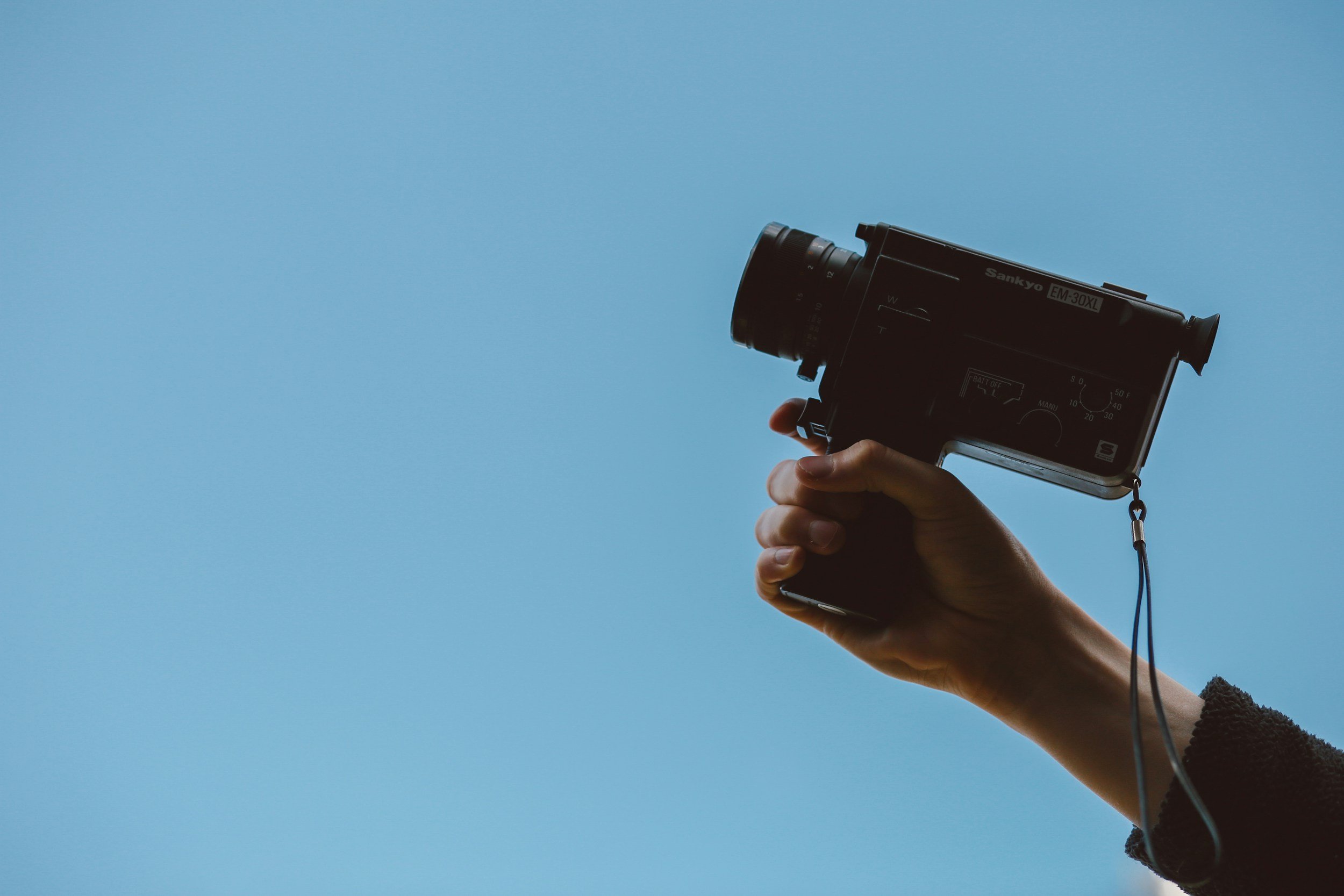
Why Your First Gear Purchase Should Be a Tripod, Not a Lens
When I tell people I run a filmmaking and photography business from Doncaster, I usually get one of two reactions: confused silence or "But wouldn't you do better in London?"
The assumption is that if you're serious about creative work, you need to be in the capital. Better clients. Bigger budgets. More opportunities. And sure, there's some truth to that. But after building Wayne Sables Project here in Yorkshire for the past several years, I've learned something important: you don't need to be in London to run a successful creative business. You just need to work differently.
The Art of Saying No: Why Turning Down Work Made Me a Better Freelancer
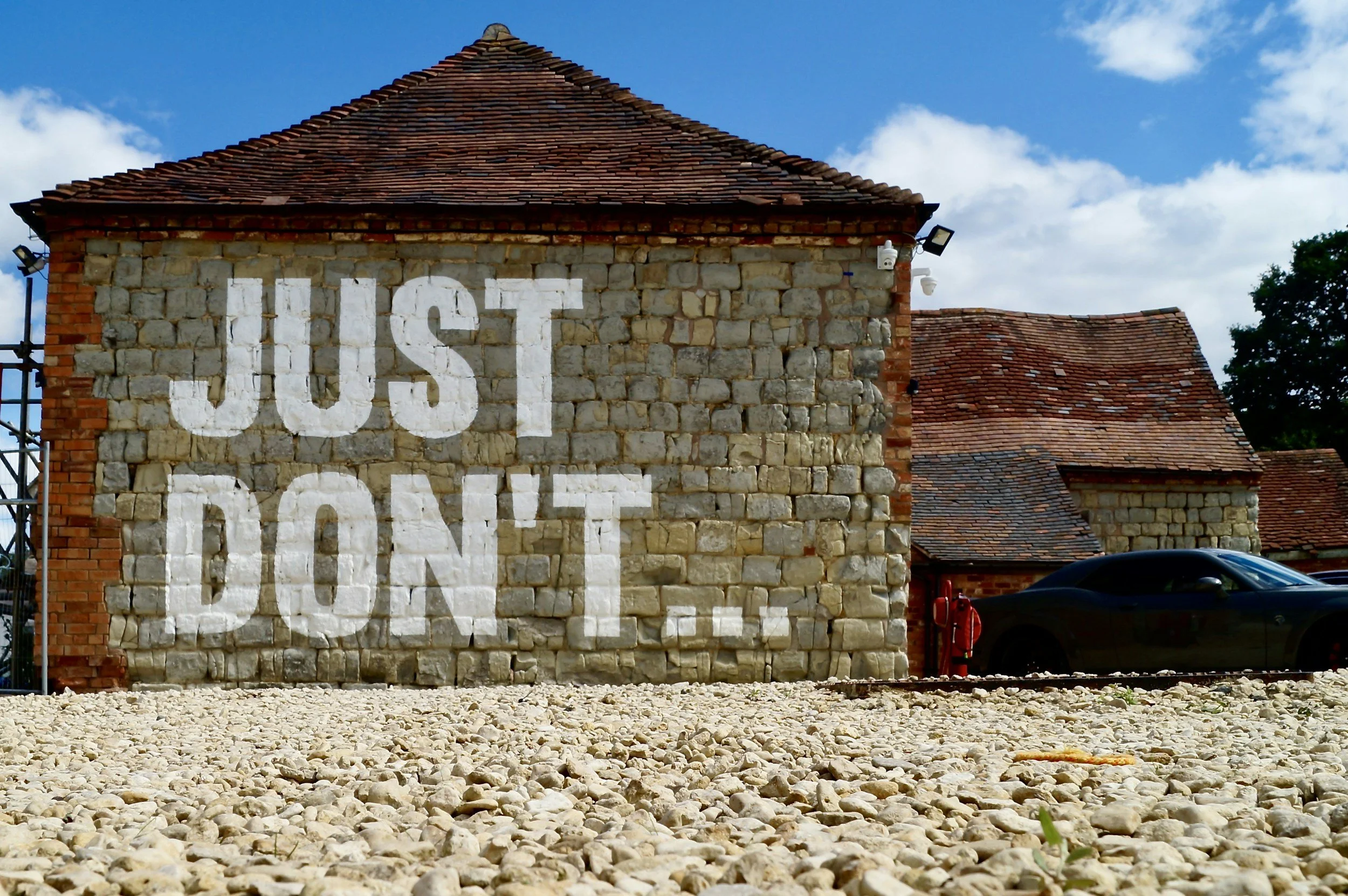
Three years into freelancing, I said yes to everything. Wedding videos at 6AM? Sure. Can you edit this by tomorrow? Absolutely. Would you shoot our event for half your rate because "it's great exposure"? Well... okay.
I was drowning in work, making decent money, but absolutely miserable. My 365 photography project—something I actually loved—became a frantic phone snap at 11:58PM most nights. I was too exhausted for creative projects, and worse, I was saying yes to clients I actively dreaded working with.
Location Scouting: Why Walking Around Like a Tourist Is Actually Work
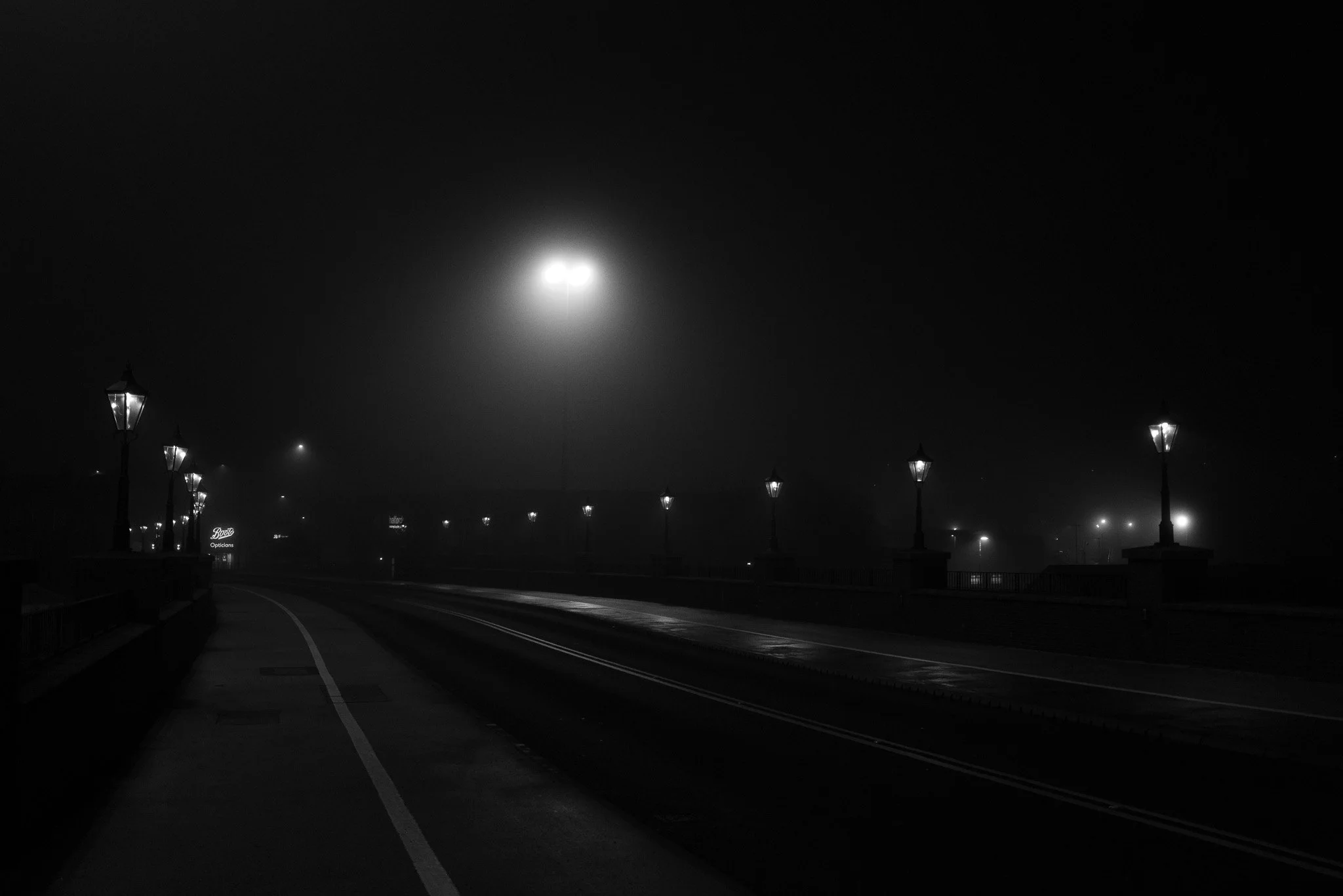
My partner watches me wander around Doncaster with my phone out, framing shots with my hands like some sort of directorial mime, and asks the eternal question: "Are you actually working or just avoiding real work?"
The answer? Yes. Both. Absolutely.
Location scouting is the unsung hero of filmmaking—and it's where most amateur projects fall apart. You can have the best camera, the most talented actors, and a brilliant script, but if your location is fighting against you, you're in for a world of pain.
The Car Park Incident
Filmmaking in Doncaster
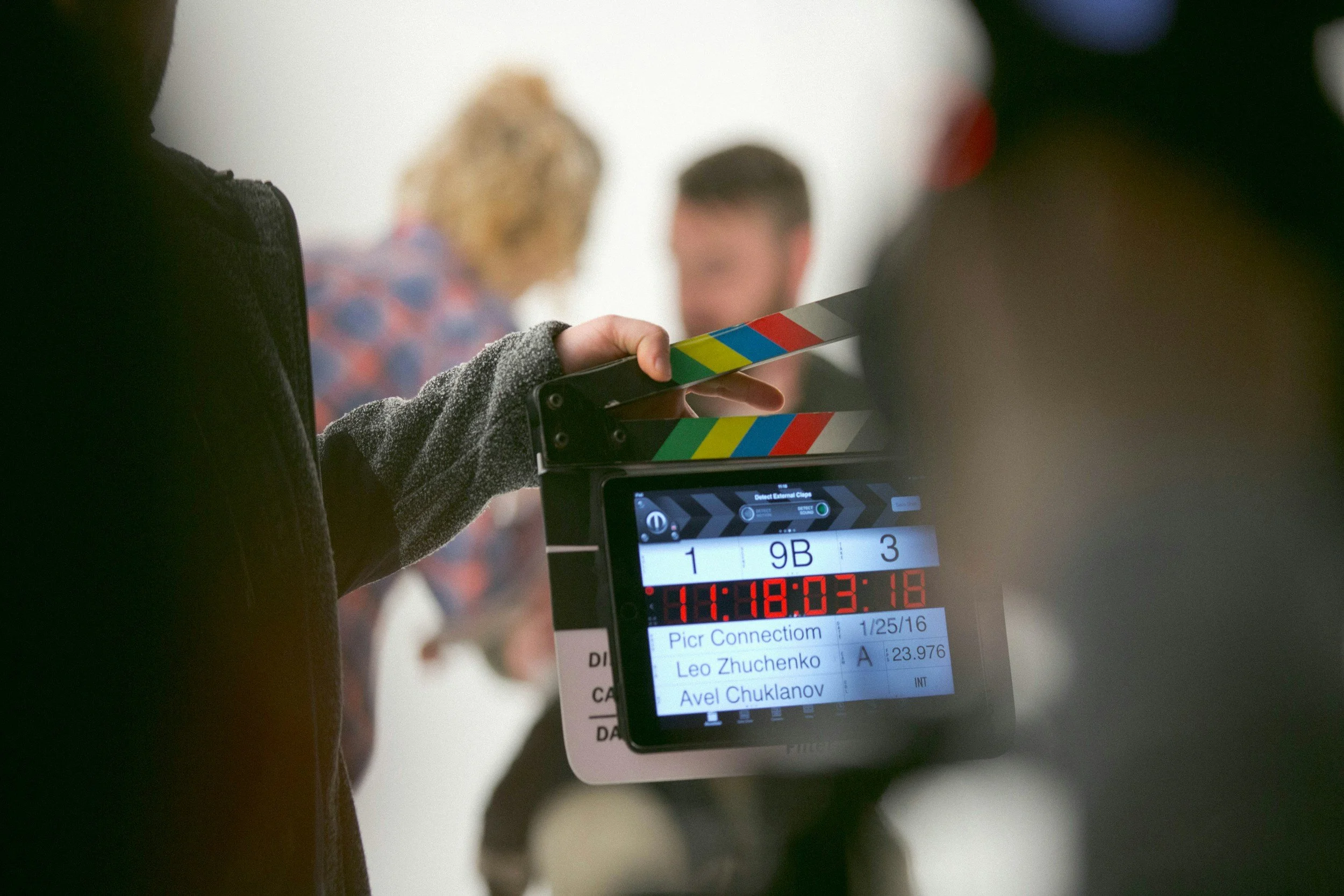
Filmmaking in Doncaster is thriving, mixing grassroots creativity, documentary storytelling, and innovative digital art in a city that often flies under the radar of the UK film map. Doncaster’s mix of industrial heritage, new city status, and growing creative infrastructure makes it a surprisingly powerful base for a filmmaking career.
The Honest Truth About Imposter Syndrome in Creative Work
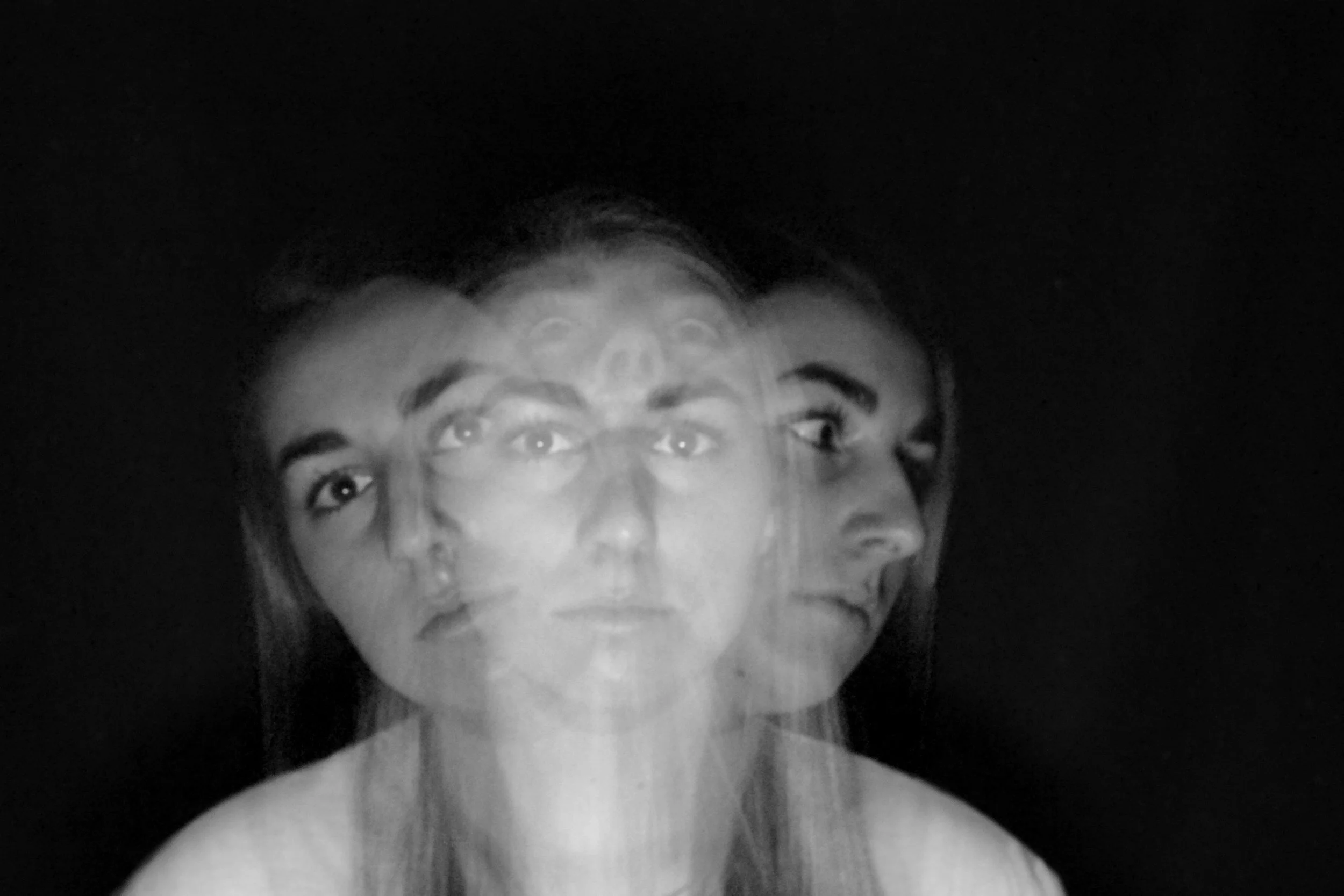
Let me set the scene: I'm sitting in a production meeting with experienced filmmakers—people who've worked on actual television shows and proper documentary features. I'm nodding along, trying to look like I belong, while a voice in my head screams, "They're going to realize you're a fraud any second now."
This is imposter syndrome, and if you work in creative fields, we need to talk about it.
Building a Creative Business in Yorkshire: Why You Don't Need to Move to London
When I tell people I run a filmmaking and photography business from Doncaster, I usually get one of two reactions: confused silence or "But wouldn't you do better in London?"
The assumption is that if you're serious about creative work, you need to be in the capital. Better clients. Bigger budgets. More opportunities. And sure, there's some truth to that. But after building Wayne Sables Project here in Yorkshire for the past several years, I've learned something important: you don't need to be in London to run a successful creative business. You just need to work differently.
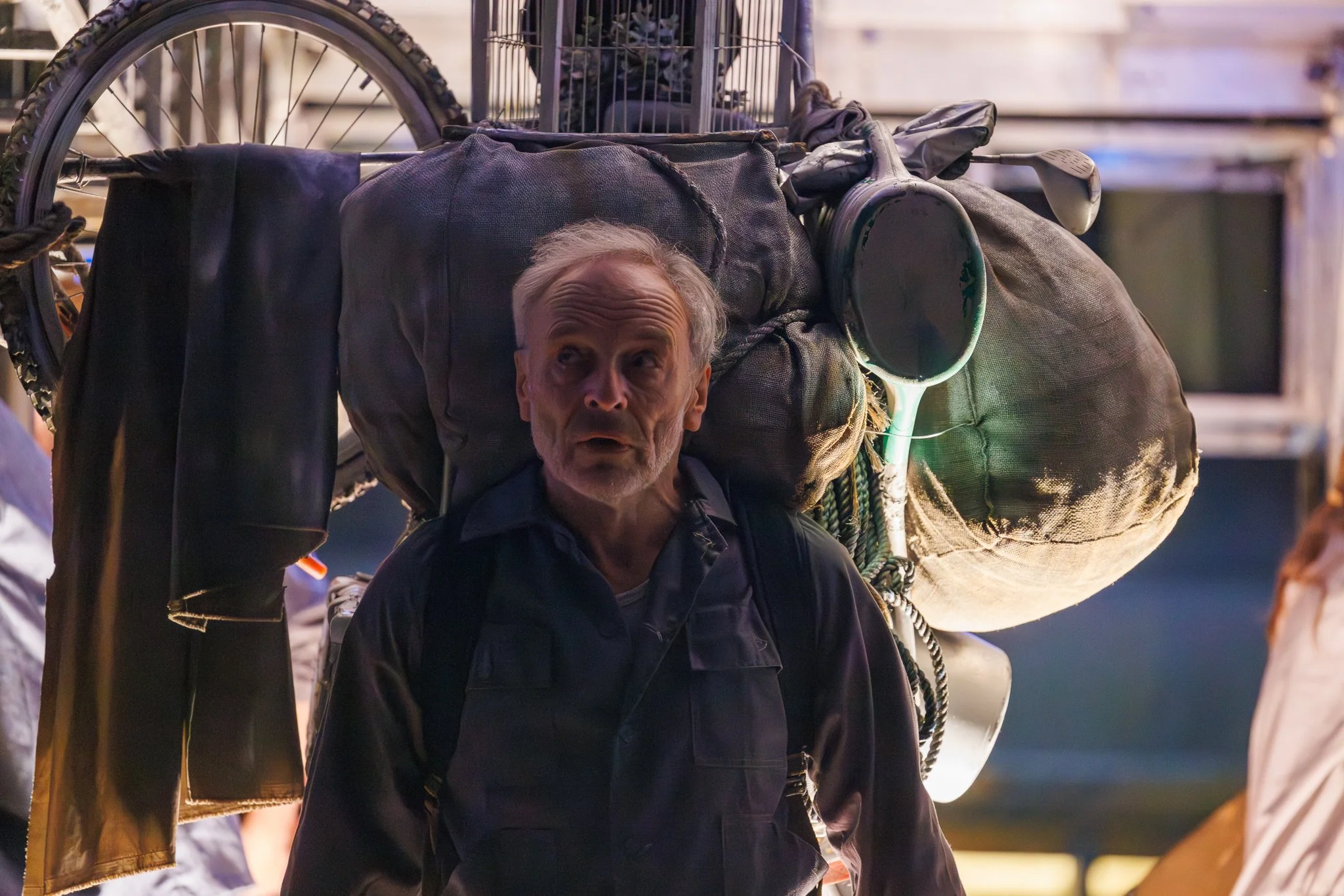
Documentary Filmmaking Tips: From Idea to Final Cut
Documentary filmmaking rewards planning, patience, and curiosity. Done well, it turns real life into powerful stories that stay with your audience long after the credits roll.
Whether you are starting your first film or refining your craft, these practical tips will help you move from a rough idea to a compelling finished documentary.
Five Essential Habits for Building a Sustainable Creative Business
Running a freelance creative business in filmmaking and photography means you're never truly off the clock. Between editing projects, scouting locations, and chasing invoices, it's easy to let the fundamentals slip. After years of building Wayne Sables Project here in Doncaster, I've learned that sustainable success doesn't come from working harder—it comes from working smarter and establishing habits that protect both your creativity and your business.